
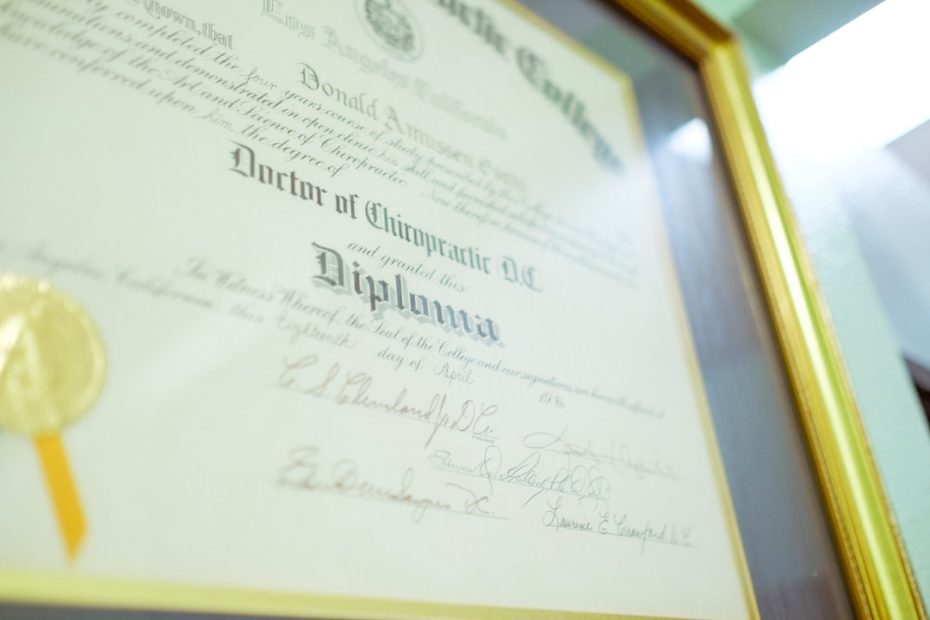
Storage Is Not Control: Why Backing Up Your Data Misses the Point
Data control is not a storage problem. Backing up your data proves nothing about who owned it first. Here is what origination solves that storage cannot.
Data control is not a storage problem. Backing up your data proves nothing about who owned it first. Here is what origination solves that storage cannot.

Personal data ownership has no deed, title, or registration system. Here is why that gap exists and how PDAOS creates the missing origination layer.
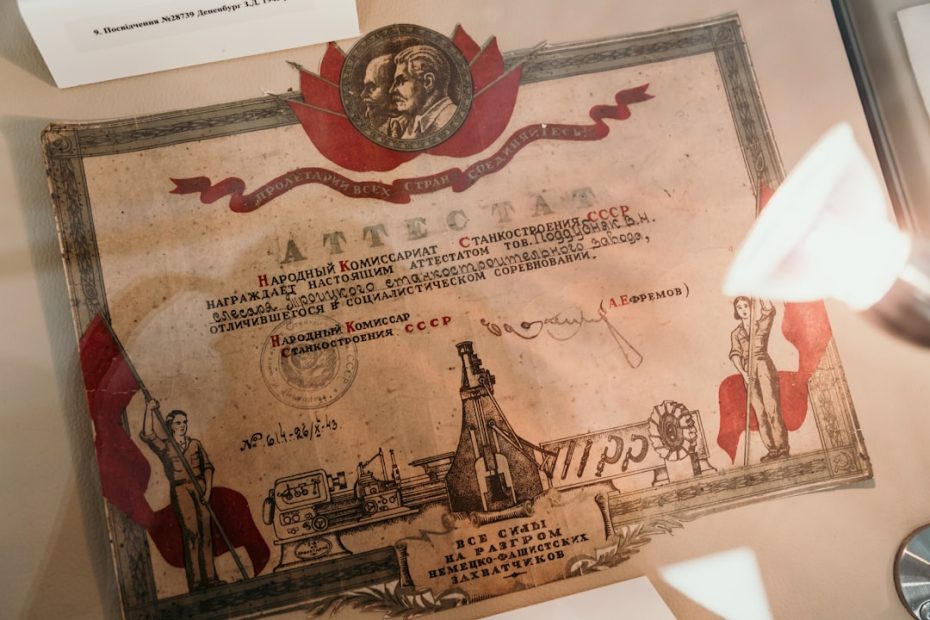
The origination moment converts scattered digital presence into a scoped, dated, evidence-backed data asset. Here is how the PDAOS framework makes ownership provable.

Quantum computing will break RSA and current encryption standards. Here is what the NIST post-quantum standards mean and how to protect your data now.

Big tech self-regulation has failed consistently. This analysis examines the track record and why origination-based ownership systems are now essential.

The clearinghouse protocol uses hash queries and posture signals to make universal opt-out enforceable. And kill the 'we didn't know' defense for good.
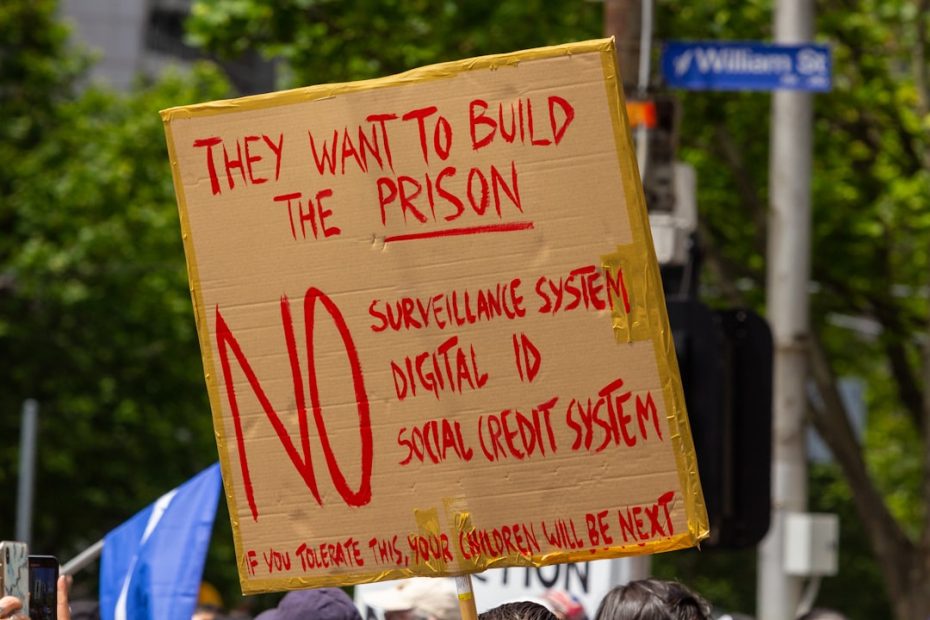
Federal privacy law remains absent in 2026. Here is why the ADPPA failed, how industry lobbying shaped its collapse and what states are building instead.
Trademark law and copyright law show how IP frameworks create ownership through registration and fixation. And what data law needs to learn from them.

The EU AI Act's data governance rules affect non-EU citizens whose data trains covered AI systems. Here is what the global implications actually mean for your data rights.

A personal data asset origination system does what storage and consent tools cannot: prove you created your data first. Here is how PDAOS works.