

Personal Data Asset Origination System: Why Storage Alone Fails Data Ownership
The Personal Data Asset Origination System goes beyond storage to prove data ownership at creation. Here is how PDAOS works and why it matters.
The Personal Data Asset Origination System goes beyond storage to prove data ownership at creation. Here is how PDAOS works and why it matters.
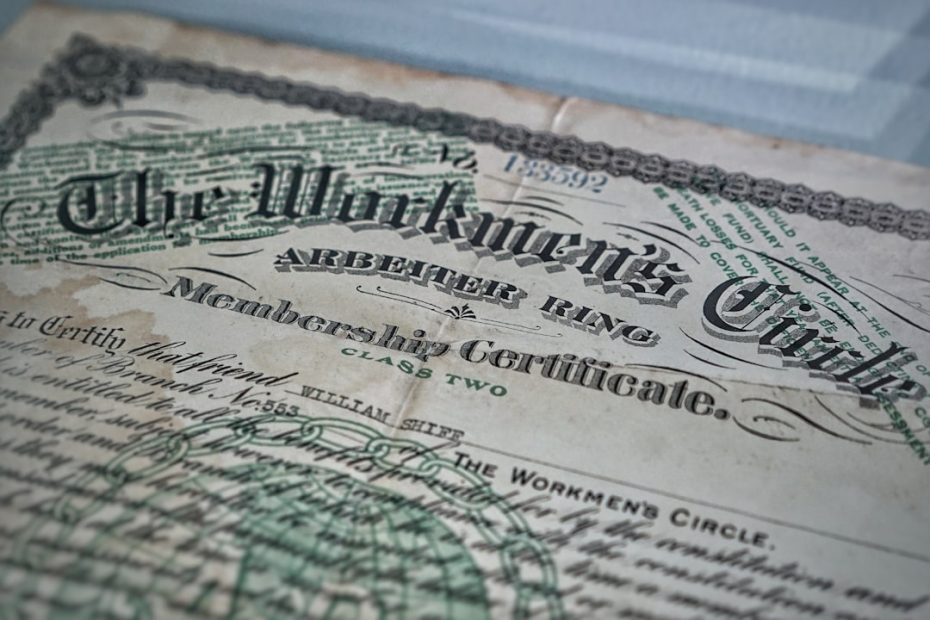
Data cooperatives require participants with standing. Without origination, you cannot share what you never provably owned. Here is how PDAOS changes that.
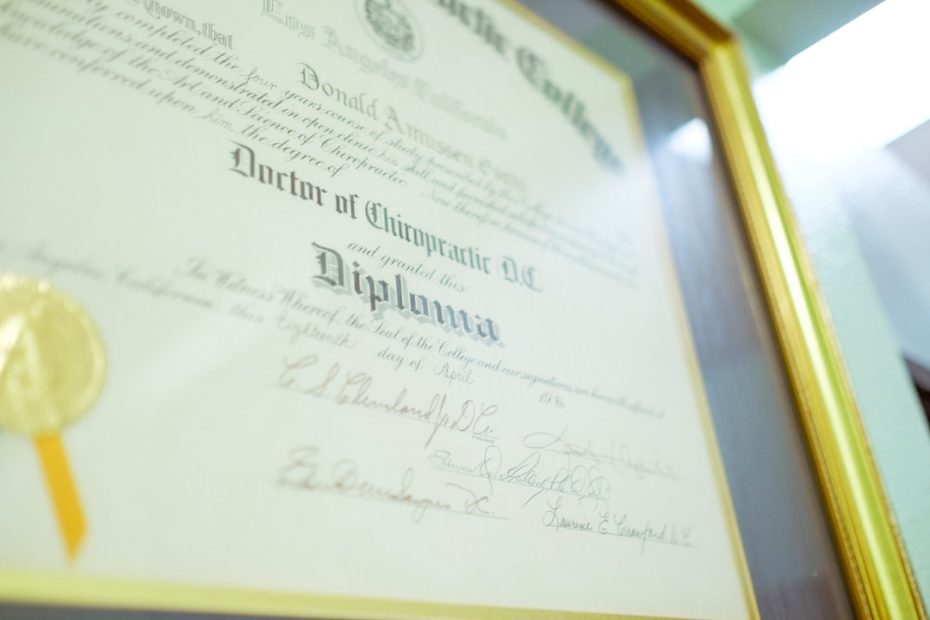
Data control is not a storage problem. Backing up your data proves nothing about who owned it first. Here is what origination solves that storage cannot.

Personal data ownership has no deed, title, or registration system. Here is why that gap exists and how PDAOS creates the missing origination layer.
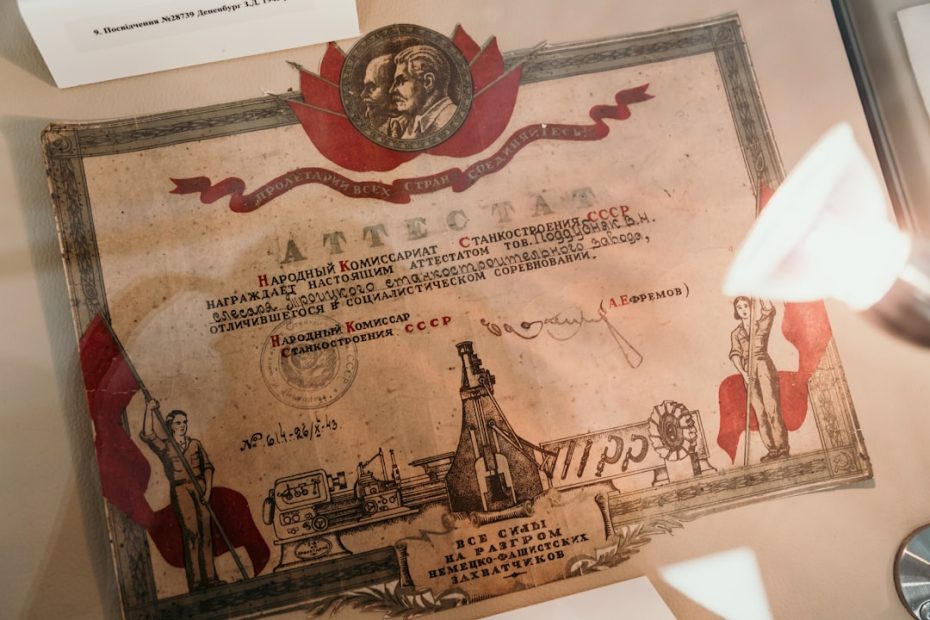
The origination moment converts scattered digital presence into a scoped, dated, evidence-backed data asset. Here is how the PDAOS framework makes ownership provable.

The clearinghouse protocol uses hash queries and posture signals to make universal opt-out enforceable. And kill the 'we didn't know' defense for good.

A personal data asset origination system does what storage and consent tools cannot: prove you created your data first. Here is how PDAOS works.

Storage solves the wrong problem. Data control requires origination proof, not backup copies. Here's why PDS falls short and PDAOS changes the equation.
Data ownership has no origination layer. No deed, no title, no filing date. PDAOS introduces the missing infrastructure for personal data rights.

The origination moment transforms scattered personal data into legally recognized assets with documented ownership. Learn how PDAOS framework creates evidence-backed records.