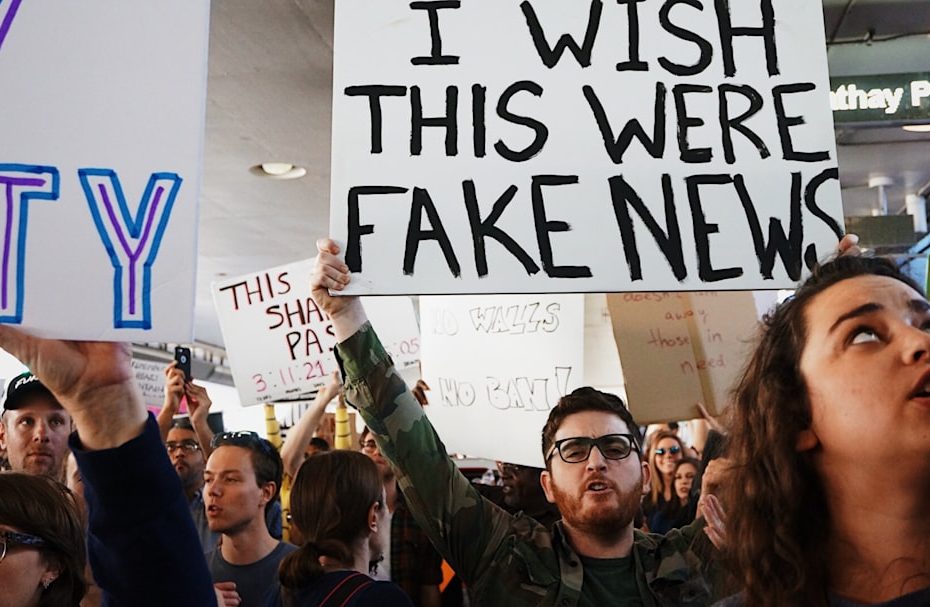
Data Property Rights: Should You Legally Own Your Personal Data?
Should personal data be legally owned? We break down the data property rights debate: proponents, critics, existing law, and where PDAOS fits in.
Should personal data be legally owned? We break down the data property rights debate: proponents, critics, existing law, and where PDAOS fits in.
Voice data scraped from podcasts and calls fuels cloning models. Here's why voice data ownership proof is the next critical privacy frontier in 2026.
Data breach trends in 2026 expose a deeper property rights problem. Learn what victims can do. And why ownership proof changes your legal standing.
If AI companies settle data claims, who gets paid? Without origination records, compensation is impossible to distribute. PDAOS provides the infrastructure.
Personal data property rights don't exist in US law yet. Here's what the current frameworks miss and what needs to change in 2026.
Data cooperatives require participants with standing. Without origination, you cannot share what you never provably owned. Here is how PDAOS changes that.
Data licensing could let individuals set terms before companies profit from their data. Here's what PDAOS makes possible and what has to change for it to scale.
Digital assets after death fall into a legal gray zone. Here is how estate law, RUFADAA, and origination records determine what your heirs actually inherit.
Data control is not a storage problem. Backing up your data proves nothing about who owned it first. Here is what origination solves that storage cannot.

Personal data ownership has no deed, title, or registration system. Here is why that gap exists and how PDAOS creates the missing origination layer.